
Why Movement Matters for Longevity – and how strong feet are the secret sauce
Why movement matters for longevity becomes obvious when we look at one simple truth: the body is designed to move — and your feet are the foundation of every step you take. When movement slows, strength declines. When strength declines, independence becomes harder to maintain. But when movement stays consistent and supported, your body remains capable, resilient, and active for longer.
Longevity isn’t just about living longer.
It’s about staying mobile, capable, steady, and independent for as many years as possible.
When people think about aging well, they often focus on nutrition, strength training, or heart health. And while those matter, there’s one foundational piece that rarely gets the attention it deserves:
Your feet.
Movement supports longevity — but your ability to move comfortably and consistently depends on the strength, mobility, and care of your feet.
If you want to stay active into your 70s, 80s, and beyond, your foot health cannot be an afterthought.
Let’s explore why.

Why Movement Matters for Longevity Starts With Healthy Feet
Research consistently shows that regular physical movement supports:
- Cardiovascular health
- Metabolic function
- Bone density
- Muscle strength
- Balance and coordination
- Cognitive health
- Emotional wellbeing
But more importantly, movement supports healthspan — the number of years you remain physically capable and independent. This is exactly why movement matters for longevity — not just to extend life, but to preserve strength, balance, and independence along the way.
It’s not just about adding years to your life.
It’s about adding life to your years.
And here’s what many longevity conversations miss:
Movement only works as a long-term strategy if it’s sustainable.
And sustainability starts at ground level.
The Overlooked Truth: Your Feet Determine How Well You Age
Your feet are your foundation.
They absorb impact.
They distribute force.
They provide sensory information to your brain.
They influence posture and balance.
When feet are weak, stiff, neglected, or painful, movement becomes harder.
When movement becomes harder, people move less.
When people move less, long-term health declines.
This is how foot neglect quietly interferes with longevity.
You don’t stop moving because you don’t value health.
You stop moving because movement becomes uncomfortable.
That’s preventable.
How Foot Health Supports Lifelong Mobility
Healthy feet contribute to longevity in powerful ways:
1. Balance and Fall Prevention
As we age, fall risk becomes a serious concern. Foot strength, toe mobility, and sensory awareness all play a role in balance.
Strong, responsive feet improve stability and ground awareness — both essential for aging confidently.
2. Efficient Walking Mechanics
When your feet move well, your ankles, knees, hips, and lower back don’t have to compensate.
Efficient walking reduces unnecessary joint strain and energy expenditure. That means you can walk longer and more comfortably.
And walking is one of the most accessible longevity tools available.
3. Nervous System Feedback
The soles of your feet contain thousands of nerve endings that send constant feedback to your brain.
Healthy foot stimulation supports:
- Coordination
- Proprioception (body awareness)
- Reaction time
Movement isn’t just muscular — it’s neurological.
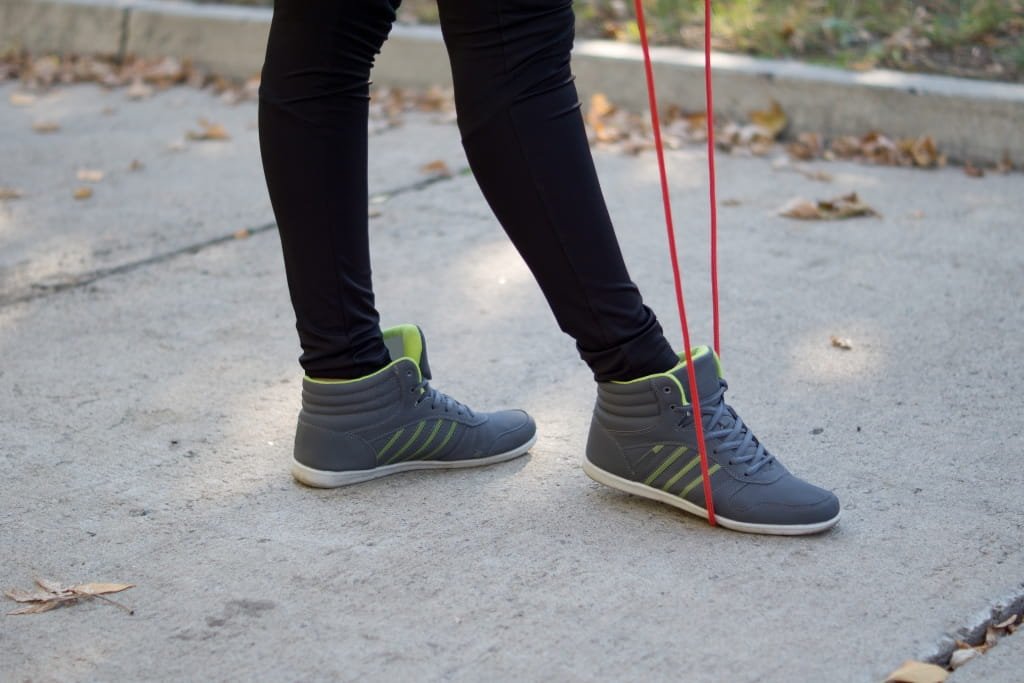
Why Movement Matters for Longevity in Everyday Life
You don’t need extreme workouts to support longevity.
Consistent walking has been linked to:
- Reduced risk of chronic disease
- Improved heart health
- Lower inflammation
- Better mood regulation
- Enhanced cognitive function
Walking is low-impact, sustainable, and adaptable at nearly any age.
But here’s the key:
Walking only remains a long-term habit if your feet allow it.
That’s why preventative foot care matters so much.
The Shift: From Reactive Foot Care to Proactive Foot Health
Most people only think about foot care when something hurts.
But longevity is built through prevention, not reaction.
A proactive footcare routine helps you:
- Maintain mobility
- Reduce stiffness
- Improve circulation
- Catch tension patterns early
- Strengthen small stabilizing muscles
It doesn’t need to be complicated.
It needs to be consistent.
When you understand why movement matters for longevity, it becomes clear that caring for your feet isn’t cosmetic — it’s foundational.
If you’re not sure where to begin, you can start with my free Foot Health Roadmap, which walks you through building a simple, sustainable footcare routine that supports long-term movement.
👉 Download your free Foot Health Roadmap here.
Simple Foot-Focused Habits That Support Longevity
You don’t need an hour per day. You need repeatable habits.
Here are foundational practices that compound over time:
- Weekly Foot Reset Ritual
A 10-minute routine that includes:
- Warm water soak
- Gentle massage
- Light stretching
- Barefoot grounding
This encourages circulation and awareness while preventing tension buildup.
2. Daily Toe Mobility
Spend 1–2 minutes:
- Spreading toes
- Lifting toes individually
- Practicing controlled toe movements
Toe strength plays a major role in balance and propulsion while walking.
3. Barefoot Standing (When Safe)
Standing barefoot at home allows:
- Natural foot activation
- Improved sensory feedback
- Stronger intrinsic foot muscles
Start slowly if you’re not used to it.
4. Choose Supportive, Foot-Friendly Footwear
Shoes should:
- Allow natural toe spread
- Avoid excessive compression
- Provide appropriate support for your needs
Footwear impacts alignment and walking efficiency daily.
Longevity Is Built on Daily Rhythms, Not Big Events
The people who age well don’t necessarily train intensely.
They move often.
They walk regularly.
They maintain strength.
They build habits that feel normal.
Longevity is rhythm, not intensity.
And when your feet are healthy, rhythm becomes sustainable.
The Emotional Side of Movement and Aging
Movement isn’t just physical.
It impacts:
- Confidence
- Independence
- Freedom
- Identity
When someone loses the ability to move comfortably, it affects more than joints.
It affects quality of life.
Caring for your feet may feel small — but it protects something bigger: your autonomy.
A Simple Longevity Reflection
Ask yourself:
- Do I want to be able to walk comfortably 20 years from now?
- Do I want to travel, explore, garden, or play with grandchildren without hesitation?
- Do I want to feel stable and steady on uneven ground?
If the answer is yes, your strategy begins today.
Not with intensity.
With consistency.
How to Start Supporting Movement Today
Here’s a simple action plan:
- Walk for 20–30 minutes at a comfortable pace.
- Add one weekly footcare routine.
- Practice 2 minutes of foot mobility daily.
- Evaluate your footwear.
- Stay consistent for 30 days.
Small actions. Big compounding returns.
And if you’d like a structured starting point that pulls this together into a clear, easy plan, download your free Foot Health Roadmap.
👉 It will help you build a footcare routine that supports movement, balance, and longevity from the ground up.
The Bigger Picture: Strong Feet, Strong Future
Your future mobility is shaped by today’s habits.
You don’t need to chase extreme longevity hacks.
You need:
- Regular movement
- Consistent walking
- Basic strength
- Foot awareness
- Sustainable routines
Feet are not cosmetic.
They are structural.
They carry your weight, your movement, and your life experiences.
Supporting them is one of the simplest and most overlooked longevity strategies available.
Final Thought: Move Well to Age Well
Longevity isn’t found in a supplement bottle.
It’s found in daily steps.
In steady walking.
In strong arches.
In balanced posture.
In habits repeated week after week.
Your feet are the beginning of that story.
Care for them now — and they’ll carry you further than you imagine.
Ultimately, why movement matters for longevity comes down to one simple truth: bodies that keep moving tend to stay capable for longer.
This article is for educational purposes and does not replace medical advice.

Author: Keresha