
Foot Care Routine for Tired Feet (Simple Sunday Self-Care Habit)
A 10-minute footcare routine for tired feet can make all the difference if your feet feel heavy, tight, or achy by Sunday evening.
Most busy women spend the week standing, walking, commuting, working, caring for others — and rarely pausing to care for the foundation carrying it all. By the time discomfort shows up, it feels “normal.”
But tired feet aren’t something you have to ignore.
This 10-minute foot care routine for tired feet is a simple Sunday self-care habit designed to help you reset, release built-up tension, and support healthier feet long term — without adding another overwhelming task to your schedule.
No complicated tools.
No hour-long spa routine.
Just a calm, structured weekly reset you can repeat.
Let’s build it.

Why You Need a Foot Care Routine for Tired Feet
Your feet absorb thousands of micro-impacts every day. Even if you don’t feel pain, they’re constantly adapting to:
- Hard flooring
- Narrow or unsupportive shoes
- Long hours standing
- Limited mobility
- Tight calves and ankles
- Stress and overall fatigue
Over time, that accumulated tension can contribute to stiffness, reduced mobility, and general discomfort.
A consistent foot care routine for tired feet helps:
- Improve circulation
- Support joint mobility
- Reduce end-of-week heaviness
- Reinforce proactive foot awareness
- Encourage better posture and walking mechanics
This isn’t about diagnosing or treating conditions.
It’s about prevention, consistency, and respecting your body before it demands attention.
What Causes Tired Feet at the End of the Week?
Understanding the cause helps you approach your routine with intention.
Common contributors include:
1. Prolonged Standing
Standing for long periods compresses the tissues in your feet and can reduce circulation efficiency.
2. Repetitive Walking Without Recovery
Walking is excellent low-impact movement — but like anything, it requires recovery time.
3. Tight Calves and Ankles
Restricted mobility higher up the chain often transfers strain downward into the feet.
4. Unsupportive Footwear
Shoes that are too tight, too rigid, or overly worn out can contribute to fatigue.
5. Nervous System Fatigue
Stress increases muscle tension — and yes, that includes your feet.
By Sunday, it’s not just physical fatigue. It’s accumulated stress stored in tissue.
That’s why this routine blends physical release with calming cues.
The 10-Minute Foot Care Routine for Tired Feet (Step-by-Step)
This entire routine takes 10 minutes.
Set a timer.
Keep it simple.
Let it feel repeatable.
You can do this after your Sunday shower, before journaling, or while listening to calming music.
Step 1: Warm Soak to Relax Tired Feet (3 Minutes)
A warm soak signals your body that it’s safe to shift into recovery mode.
What to do:
- Fill a basin with warm (not hot) water
- Add Epsom salts or a drop of calming essential oil (optional)
- Submerge your feet and take slow breaths
Warm water may:
- Encourage circulation
- Help soften tight tissue
- Promote relaxation
While soaking, inhale deeply for four seconds and exhale slowly for six.
Let this thought anchor you:
“The week is complete. I am allowed to reset.”
If soaking isn’t practical, a warm shower directed at your feet works too.
Step 2: Gentle Foot Massage to Release Tension (3–4 Minutes)
You don’t need to dig aggressively into knots. The goal is slow, consistent pressure.
Option A: Hands
- Use your thumbs to glide along the arch
- Gently squeeze the heel
- Press into the ball of the foot
- Lightly pull each toe
Option B: Massage Ball
- Place a small ball under your arch
- Roll slowly forward and back
- Adjust pressure by shifting body weight
Move intentionally.
Massage may help:
- Encourage blood flow
- Improve sensory awareness
- Reduce end-of-week tightness
Avoid sharp pain. Gentle pressure is enough.
Step 3: Simple Stretches to Restore Mobility (2–3 Minutes)
Mobility is one of the most overlooked pieces of foot health.
Try this quick sequence:
1. Toe Stretch
Sit comfortably. Gently pull your toes back until you feel a light stretch. Hold 10 seconds. Release.
2. Ankle Circles
Lift one foot and circle the ankle slowly in both directions. Switch sides.
3. Calf Stretch (Standing or Seated)
Place one foot back slightly and lean forward gently to stretch the calf.
These movements help maintain:
- Ankle flexibility
- Toe mobility
- Calf elasticity
Small inputs done consistently compound over time.
Step 4: Grounding Reset Before Monday (1 Minute)
Stand barefoot on the floor.
Notice:
- Where your weight falls
- Whether you lean forward or back
- How your feet feel compared to before
Take one slow breath.
This is your closing ritual.
You are no longer reacting to the week.
You are preparing for the next one.
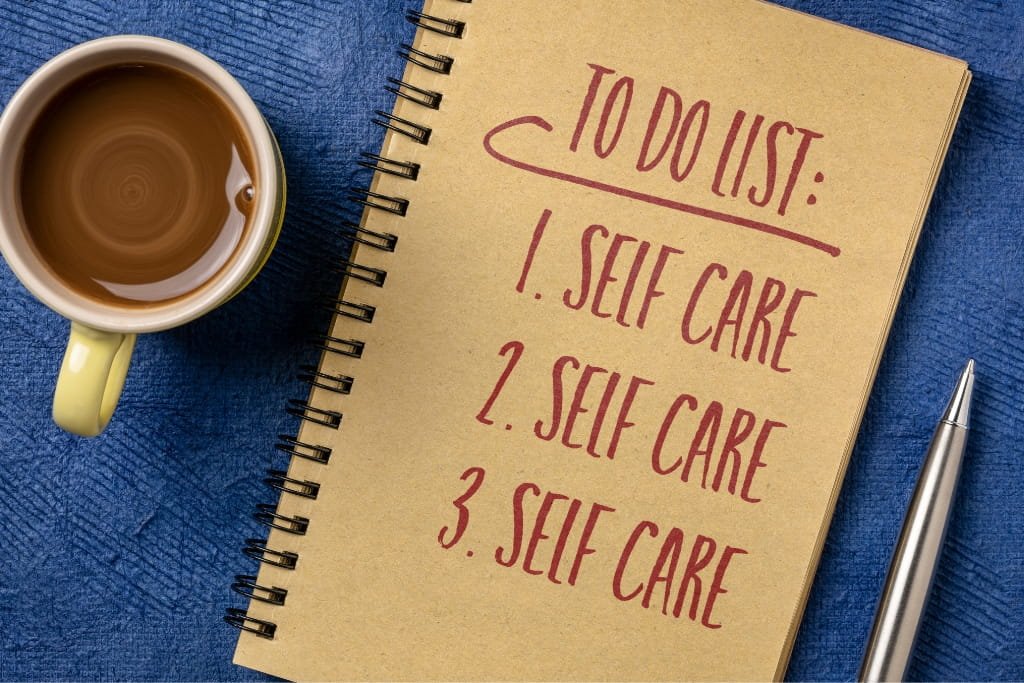
How This Sunday Foot-Care Habit Supports Healthy Feet Long-Term
A single routine won’t transform your feet overnight.
But weekly consistency builds:
- Awareness of tension patterns
- Early detection of stiffness
- Stronger mind–body connection
- A prevention-based mindset
The power isn’t in intensity.
It’s in repetition.
When this becomes a Sunday self-care habit, it shifts from “extra effort” to “normal maintenance.”
That identity shift matters.
Instead of someone who ignores your feet until they hurt, you become someone who maintains them.
How to Turn This Foot Care Routine for tired feet into a Weekly Habit
Habits stick when they’re attached to something you already do.
Try habit stacking:
- After Sunday shower → do foot soak
- Before Sunday planning → do massage
- After skincare routine → do stretches
Other ways to increase consistency:
- Keep a small basket with supplies visible
- Set a repeating Sunday reminder
- Track completion in a simple journal
Avoid perfectionism.
If one week you skip the soak and only stretch for two minutes — that still counts.
Consistency builds trust with yourself.
Simple Tools That Make This Foot Care Routine Easier at Home
You don’t need expensive gadgets, but a few simple tools can support your routine:
- A basic foot basin
- Epsom salts
- A small massage ball
- A supportive foot cream
- A towel kept specifically for your ritual
Keep it minimal.
The goal is sustainability, not creating another overwhelming self-care system.
When to Modify or Seek Professional Advice
This routine is designed for general foot fatigue.
If you experience:
- Persistent swelling
- Severe pain
- Numbness
- Sudden changes in foot structure
It’s important to consult a qualified healthcare professional.
This article is educational and not a replacement for personalised medical advice.
Expanding Beyond the 10 Minutes (Optional)
If you ever want to deepen this practice, you could:
- Add a short 10-minute walk earlier in the day
- Include basic foot-strengthening exercises midweek
- Journal about how your feet feel before and after
But remember — the 10-minute routine is enough.
Start there.
The Bigger Picture: Your Feet as Your Foundation
Your feet influence:
- Posture
- Walking efficiency
- Balance
- Overall movement comfort
Yet they’re often ignored until discomfort forces attention.
A simple foot care routine for tired feet is not indulgent.
It’s foundational maintenance.
It’s proactive wellbeing.
It’s saying:
“I value the parts of me that carry everything else.”
Your Sunday Reset Invitation
This week, instead of collapsing into Sunday evening fatigue, try this:
- Fill the basin.
- Set the timer.
- Move slowly.
- Breathe deeply.
- Stand and notice the difference.
Ten minutes.
That’s it.
Over months, this small ritual can reshape how you relate to your body — not from urgency or pain, but from steady care.
And that is where real foot longevity begins.
If you’d like a more structured starting point for building your own footcare routine, you can download my free Foot Health Roadmap to help you get started.

Author: Keresha