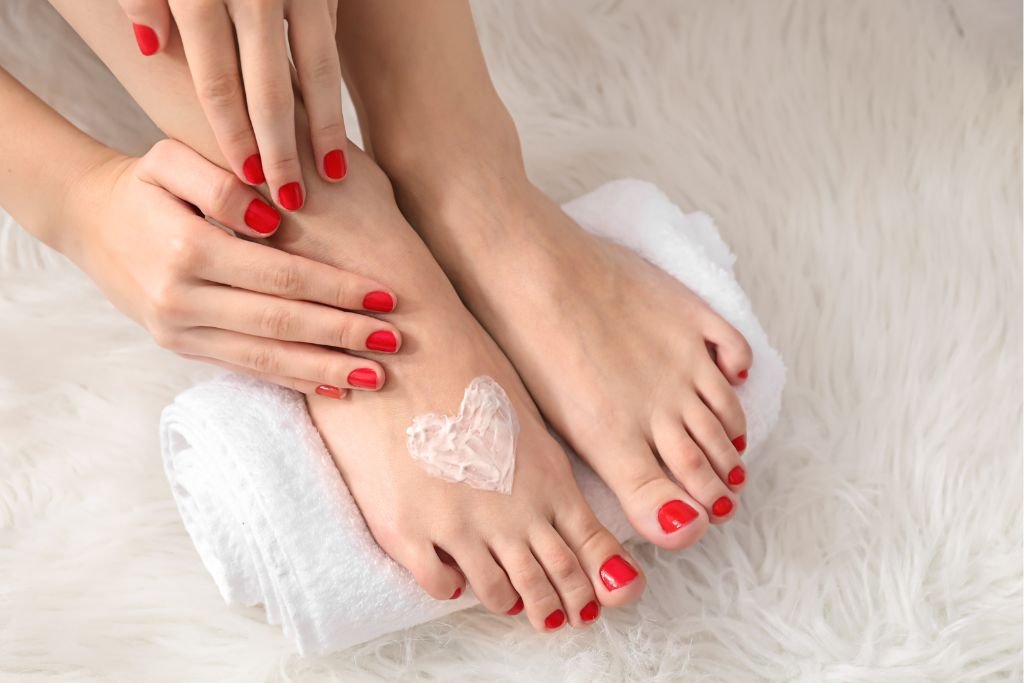
Why Being Present With Your Feet Can Change Everything
A mindset shift for busy women who spend all day on their feet
If you’re a professional woman who spends most of her day standing, walking, or rushing from one responsibility to the next, chances are your feet are doing a lot of quiet overtime.
And often?
They’re the last part of your body to get your attention — until discomfort forces the conversation.
This is where presence comes in.
Being present isn’t about slowing your whole life down or adding another task to your already-full plate. It’s about noticing what your body — especially your feet — are telling you in real time, before small signals turn into persistent discomfort.
Let’s gently clear up a few common misconceptions about being present, and how this mindset can support everyday foot comfort, especially during the hormonal shifts of pre-menopause.
Misconception #1: “Being present means meditation — and I don’t have time for that”
Many women assume that being present requires sitting still, silence, or a formal meditation practice.
In reality, presence can happen while you’re living your life.
You can be present:
- While standing at work
- While commuting
- While taking your shoes off at the end of a long day
- While washing or moisturising your feet
Presence simply means paying attention without judgement.
For your feet, this might look like:
- Noticing tightness across the soles
- Feeling heat, swelling, or fatigue
- Observing how your shoes feel by mid-afternoon
This awareness builds a powerful connection between mindset and physical comfort — without adding another thing to your to-do list.
Misconception #2: “I can’t be present if I’m stressed or uncomfortable”
This is especially relevant for women juggling careers, family, and hormonal changes.
Being present does not mean pretending stress or discomfort doesn’t exist. It means acknowledging it without pushing it away.
When you notice foot discomfort and think:
“This is uncomfortable, but I can handle noticing it.”
You create space to respond rather than ignore.
That response might be:
- Removing restrictive footwear sooner
- Stretching your feet before bed
- Prioritising foot care rather than collapsing straight onto the sofa
Presence helps you work with your body instead of pushing through it — a crucial shift during pre-menopause when recovery can take longer than it used to.
Misconception #3: “If I notice discomfort, it means something is wrong”
Many professional women are used to being resilient.
We’re taught to push through, ignore body signals, and keep going — especially when other people rely on us.
So when foot discomfort shows up, the instinct is often:
“I don’t have time to think about this.”
or
“I’ll deal with it when it gets really bad.”
Being present doesn’t mean catastrophising or assuming something is wrong. It simply means noticing early signals without fear or judgement.
Your feet may be communicating:
- Fatigue from long hours standing
- The need for more recovery time
- That your footwear no longer supports your current lifestyle or hormonal stage
Presence allows you to respond before discomfort escalates, instead of waiting until pain forces rest.
For pre-menopausal women, this is especially important — recovery can feel slower, and ignoring early signs often leads to prolonged discomfort later.
Awareness isn’t weakness.
It’s a form of self-leadership
Misconception #4: “Foot pain is just part of getting older — I should expect my feet to hurt”
Many women reach their 40s and quietly accept foot discomfort as an inevitable part of ageing.
Thoughts like:
“This is just what happens now.”
“I’m on my feet all day — of course they hurt.”
While it’s true that our bodies change over time, persistent foot discomfort is not something you have to automatically accept.
What’s often changing isn’t just age — it’s:
- Hormonal shifts affecting tissues and circulation
- Years of unsupportive footwear catching up
- Reduced recovery time due to busy lifestyles
Being present with your feet helps you separate normal change from avoidable strain.
Pain isn’t a badge of honour, and it isn’t a requirement of midlife.
Awareness allows you to support your feet more intentionally — rather than resigning yourself to discomfort.
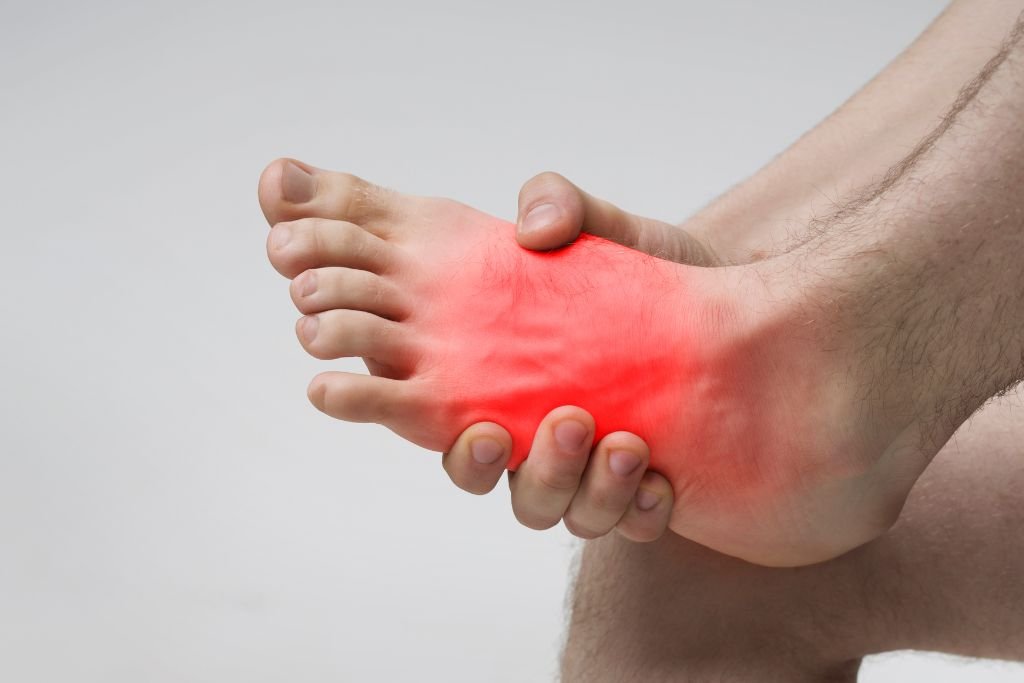
Misconception #5: “My feet will eventually adjust to my lifestyle”
Many professional women believe that if they just keep going, their feet will toughen up and adapt.
You might hear yourself thinking:
“They’ll get used to it.”
“I’m on my feet all day — this is just my normal now.”
While the body is incredibly adaptable, adjusting doesn’t always mean thriving.
What often happens instead is that your feet:
- Compensate in ways you don’t notice
- Hold tension rather than releasing it
- Become less responsive to early warning signs
Over time, this can show up as persistent soreness, reduced flexibility, or end-of-day fatigue that feels harder to bounce back from — especially during pre-menopause, when recovery can already feel slower.
Being present with your feet helps you recognise the difference between healthy adaptation and quiet overload.
Your lifestyle may be demanding — but your feet still deserve support, care, and moments of recovery along the way.
Adaptation works best when it’s supported, not assumed.
Why Presence Matters for Foot Health in Pre-Menopause
Hormonal changes can influence:
- Circulation
- Joint comfort
- Tissue sensitivity
- Inflammation response
When life is busy, it’s easy to miss early signs of strain.
Being present helps you:
- Catch discomfort earlier
- Build consistent foot care habits
- View foot care as self-respect, not indulgence
Your feet aren’t failing you — they’re communicating with you.
A Simple Presence Practice for Tired Feet (No Extra Time Needed)
Tonight, when you take your shoes off:
- Pause for 30 seconds
- Notice temperature, tension, or relief
- Place your hands on your feet
- Apply cream or oil slowly
- Breathe normally — no fixing, just noticing
That’s it.
This small moment of awareness supports both mental decompression and physical comfort.

Author: Keresha